
Home › Services › Sleep apnea and snoring
Sleep Apnea and Snoring Treatment in Walnut Creek, CA
Dr. Julie Kwon and Dr. Hani Jabbour treat snoring and obstructive sleep apnea with custom oral appliances at Kwon & Jabbour Dental in Walnut Creek, working with your physician on sleep testing. An appliance is a comfortable alternative for many people who cannot use CPAP.
At a glance
Who it is for: loud snoring, pauses in breathing, waking tired, or people who cannot tolerate CPAP
Treatment: a custom oral appliance that keeps the airway open while you sleep
Diagnosis: sleep apnea is diagnosed with a sleep study; we coordinate testing with your physician
Children: snoring in children is worth checking; see children's growth and airway
Snoring can feel like a harmless quirk. But loud, regular snoring is often the sound of a struggling airway, and for millions of adults it is the most visible sign of obstructive sleep apnea, a condition that quietly wears down your health night after night.
At Kwon & Jabbour Dental in Walnut Creek, Dr. Julie Kwon and Dr. Hani Jabbour treat sleep apnea and snoring with custom oral appliance therapy: a small, comfortable mouthpiece worn during sleep. For many patients it is a welcome alternative to CPAP. As part of our total wellness approach, we look at how your airway, jaw, and bite work together, because healthy sleep and a healthy mouth are deeply connected.
Snoring vs. Sleep Apnea: What’s the Difference?
Snoring is the sound of air squeezing through a narrowed airway. The tissue at the back of your throat vibrates, and that vibration is the noise. Plenty of people snore lightly now and then.
Sleep apnea is more serious. With obstructive sleep apnea (OSA), the airway doesn’t just narrow, it repeatedly collapses or gets blocked. Breathing actually stops, sometimes hundreds of times a night, and each pause forces your brain to briefly wake you. You don’t remember these wake-ups, but your body never gets the deep, restorative sleep it needs.
When is snoring a warning sign?
Snoring deserves a closer look when it is loud and frequent, comes with gasping or choking sounds, or when a bed partner notices pauses in your breathing. Daytime clues matter too: waking up tired, morning headaches, dry mouth, irritability, and nodding off in the afternoon. If that sounds like you or someone you love, it is worth getting screened.
The Health Risks of Untreated Sleep Apnea
Sleep apnea is not just about being tired. Every time your breathing stops, your oxygen dips and your body releases stress hormones. Over years, that strain adds up. Untreated sleep apnea has been linked to:
- High blood pressure, heart disease, and stroke risk
- Type 2 diabetes and weight gain
- Memory problems, brain fog, and mood changes
- Drowsy driving and workplace accidents
- Teeth grinding, jaw pain, and worn or cracked teeth
That last one is where we come in. Dentists are often the first to spot sleep apnea, because the mouth shows the evidence: worn teeth and a jaw sore from nighttime clenching.
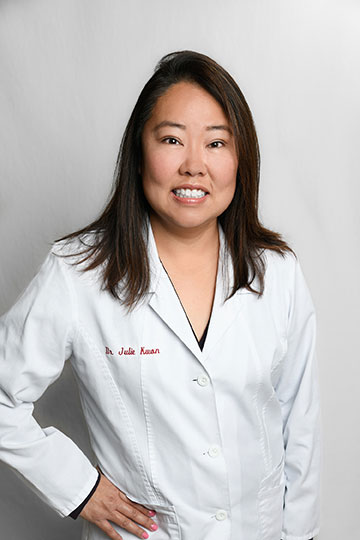

Have a question about your own situation? Dr. Kwon or Dr. Jabbour will explain your options in plain language, with no pressure.
Book a visitHow a Dentist Helps: Oral Appliance Therapy
CPAP machines work well, but many people simply can’t sleep with a mask and hose. If CPAP has been a struggle, or your sleep apnea is mild to moderate, oral appliance therapy may be the answer.
An oral sleep appliance looks a bit like a slim athletic mouthguard. Custom-made from impressions of your teeth, it gently holds your lower jaw slightly forward while you sleep, which keeps your airway open so air flows quietly and freely. Patients love oral appliances because they are:
- Comfortable and custom-fitted to your mouth
- Silent, with no machine noise for you or your partner
- Small enough to fit in a pocket, perfect for travel
- Easy to clean and simple to wear every night
For a deeper look at how sleep-related breathing problems are identified, our article on what sleep-disordered breathing is and how it is diagnosed is a helpful place to start.
Who Is a Candidate for a Sleep Apnea Oral Appliance?
Oral appliance therapy is a great fit for many people. You may be a strong candidate if:
- You have been diagnosed with mild to moderate obstructive sleep apnea
- You have tried CPAP and can’t tolerate the mask, noise, or hose
- You snore heavily, with or without a sleep apnea diagnosis
- You travel often and need a portable treatment option
One important note: sleep apnea is a medical condition, and the diagnosis comes from a sleep study ordered by a physician. We work hand in hand with your doctor. If you haven’t been tested yet, we can screen you in our office and help coordinate testing, often with a home sleep test you take in your own bed.
Our Sleep Apnea Process, Step by Step
We keep the path from “I think I snore too much” to “I finally feel rested” as simple as possible.
1. Screening and airway evaluation
We start with a conversation about your sleep, energy, and health history, then examine your airway, jaw, tongue, and teeth for signs of sleep-disordered breathing.
2. Sleep testing coordination
If testing is needed, we help coordinate a sleep study with your physician, often a convenient home sleep test. The results tell us whether you have apnea and how significant it is.
3. Your custom appliance
Once oral appliance therapy is the right fit, we take precise impressions and design an appliance made specifically for your mouth and jaw position. At delivery, we fine-tune it for comfort and effectiveness.
4. Follow-up and fine-tuning
Sleep therapy is not “fit it and forget it.” We see you for follow-up visits to adjust the appliance, confirm it is working, and protect your bite and jaw joints.
The TMJ and Sleep Apnea Connection
Night-time clenching and grinding are often the body's way of keeping the airway open, and that strain lands on the jaw joints. If you have jaw pain as well as snoring, we look at both. Read more about TMJ treatment in Walnut Creek.
Kids, Snoring, and Airway Health
Snoring in children is not “cute” and it is not typical. A child who snores regularly, breathes through the mouth, grinds their teeth, or struggles with focus during the day may have an airway problem that deserves attention.
The good news: children’s jaws and airways are still growing, which gives us a window adults don’t have. Through our pediatric growth and development program , including HealthyStart airway appliances, we can gently guide jaw growth to support open airways, better sleep, and healthier development.
Signs You Should Get Checked
Not sure whether your sleep is the problem? Run through this list:
- Loud, frequent snoring
- Pauses in breathing, gasping, or choking during sleep
- Waking up tired, even after 7 to 8 hours in bed
- Morning headaches or a sore jaw
- Dry mouth or sore throat on waking
- Daytime sleepiness, brain fog, or irritability
- Worn, flattened, or chipped teeth
- High blood pressure that is hard to control
If you checked two or more, a simple screening at our Walnut Creek office is a smart next step.
Questions about sleep apnea treatment
Is an oral appliance as effective as CPAP?
CPAP is considered the gold standard, especially for severe apnea. But a treatment only works if you actually use it, and many people abandon CPAP. For mild to moderate sleep apnea, a well-fitted oral appliance can be very effective, and an appliance worn all night often outperforms a CPAP machine left in the closet. We work with your physician to confirm your therapy is on track.
Does insurance cover a sleep apnea appliance?
Often, yes. Because sleep apnea is a medical condition, oral appliance therapy is frequently billed through medical insurance rather than dental insurance, and coverage varies by plan. Our team helps you understand your options and maximize your benefits, and we offer 0% financing through CareCredit. You can learn more on our financing options page .
How do I get diagnosed with sleep apnea?
Diagnosis requires a sleep study interpreted by a physician. That sounds involved, but it usually isn’t: many patients qualify for a home sleep test, a small device you wear for a night or two in your own bed. We screen you in our office, coordinate testing with your doctor, and review the results with you before recommending treatment.
Can you treat snoring even if I don't have sleep apnea?
Yes. If your sleep study shows snoring without significant apnea, a custom oral appliance can quiet the vibration by keeping your airway open at night. We still recommend testing first, because it is important to know whether apnea is hiding behind the snoring before choosing a treatment.
What does the appliance feel like to wear?
Most patients adjust within a week or two. The appliance is slim, custom-molded to your teeth, and far less bulky than people expect. There is no mask, no hose, and no noise. Some people notice mild jaw awareness or extra saliva in the first few days, which typically fades. We fine-tune the fit at your follow-up visits until it feels natural.
My child snores. Should I be worried?
Regular snoring in a child is worth evaluating, not ignoring. It can be linked to enlarged tonsils, narrow jaws, mouth breathing, and sleep quality problems that affect growth, behavior, and learning. Our pediatric growth and development program looks at your child’s airway and jaw development, and gentle early guidance like HealthyStart can make a lifelong difference.
Is an oral appliance as good as CPAP?
CPAP is very effective when it is used every night. For mild to moderate obstructive sleep apnea, and for people who cannot tolerate CPAP, a custom oral appliance is a well accepted option. Your physician and our doctors decide together what suits you, and follow-up testing confirms it is working.
Do I need a sleep study first?
Yes. Sleep apnea is diagnosed with a sleep study, either at home or in a sleep lab, ordered by a physician. We help coordinate testing with your physician before and after your appliance is made.
Does medical insurance cover a sleep apnea appliance?
Coverage varies. Oral appliances for diagnosed sleep apnea are often billed to medical insurance rather than dental. We help you check your benefits and give you the cost in writing before treatment.
Sleep Better, Starting in Walnut Creek
You deserve to wake up rested, and your partner deserves a quiet night. Dr. Kwon and Dr. Jabbour will listen, screen your airway, and build a comfortable treatment plan that fits your life.
We proudly serve Walnut Creek and nearby communities including Concord, Pleasant Hill, Lafayette, Alamo, and San Ramon, from our office at 108 La Casa Via, Monday through Thursday.
Call (925) 930-8465 or request an appointment online to schedule your sleep and airway screening.
Kwon & Jabbour Dental, 108 La Casa Via, Suite 102, Walnut Creek, CA 94598