
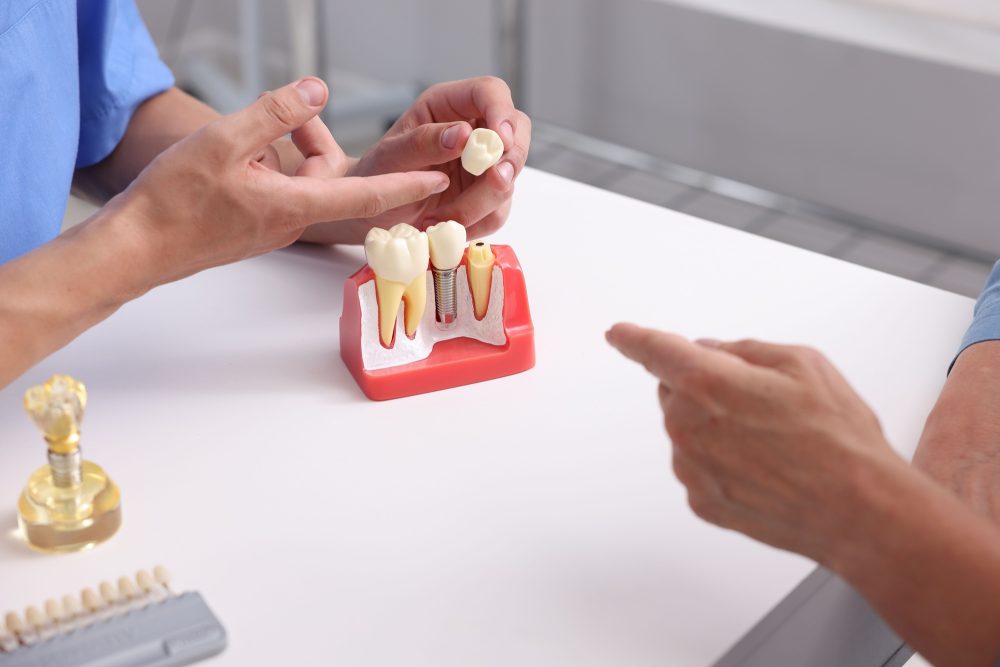
When a tooth develops decay, a crack, or significant damage, your dentist may recommend either a filling or a dental crown. While both treatments restore damaged teeth, they serve different purposes.
A dentist in Walnut Creek evaluates the amount of healthy tooth structure remaining, the location of the damage, and how much strength the tooth needs before recommending a restoration.
When Is a Dental Filling Appropriate?
Fillings are commonly used when decay or damage affects a relatively small portion of the tooth. The dentist removes the damaged area and fills the space with a restorative material.
Composite fillings can be matched to the natural color of your teeth, making them a practical option when preserving the appearance of your smile is important.
If you are concerned about tooth decay, learn more about composite fillings and cavity concerns and how they can be used to restore affected teeth.
When Might You Need a Dental Crown?
A crown may be recommended when a tooth has lost a significant amount of its structure. Large cavities, substantial cracks, worn teeth, or teeth that have already undergone extensive treatment may require additional protection.
Rather than filling only the damaged portion, a crown covers the tooth and helps restore its strength, shape, and function.
Patients interested in modern restoration options can also learn about same-day dental crowns and how advances in dental technology can make crown treatment more convenient.
How Does a Dentist Decide Between the Two?
The decision depends on the condition of the tooth. Your dentist may consider:
- How much healthy enamel and tooth structure remains
- The size and location of the cavity or damage
- Whether the tooth has cracked or fractured
- The amount of chewing pressure the tooth receives
- Previous dental treatment
- Your overall oral health
A thorough examination allows your dentist to determine which restoration provides the appropriate level of protection.
Why Early Treatment Matters
A small cavity or minor area of damage may be relatively straightforward to restore. Waiting too long can allow decay or structural damage to progress, potentially requiring more extensive treatment.
Regular examinations give your dentist an opportunity to identify problems before they become more complicated. Consistent dental checkups with your dentist in Walnut Creek can help detect changes early.
What If the Tooth Is Severely Damaged?
When a tooth has extensive structural damage, a filling may not provide enough support. In these situations, a crown can help protect the remaining tooth structure and restore normal function.
If multiple teeth require treatment or you have more extensive dental concerns, restorative dentistry services can address a range of problems involving damaged, weakened, or missing teeth.
The Right Restoration Depends on Your Tooth
There is no single restoration that is appropriate for every damaged tooth. A filling may be ideal for a smaller area of decay, while a crown may provide better protection when a tooth has significant structural loss.
A thorough evaluation by a Walnut Creek dentist can determine how much of the natural tooth can be preserved and which treatment provides the appropriate balance of strength, function, and appearance.
The goal of restorative dentistry is not simply to repair a damaged tooth. It is to protect the remaining healthy structure and help you maintain a functional smile for the long term.